Favourite Books this year so far
These are the best books I have read this Jan and Feb, out of about 20 alright ones. I will try to write some reviews every couple months rather than letting them pile up at the end of the year. I still need to finish my best non-fiction of 2025 list. Ah well.
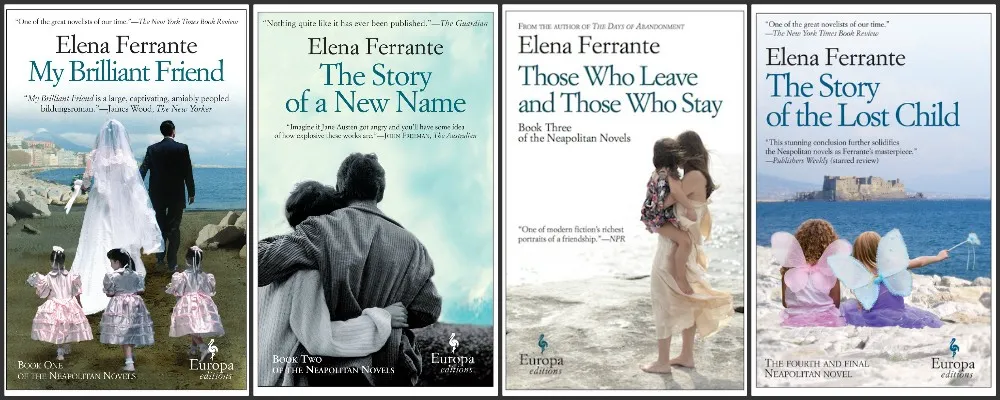
Elena Ferrante - Napoli Quartet books 2 & 3
For ages I ignored these books because of the covers, which look like the kinda fake art you'd find in an airbnb, right next to the live laugh love. But the books are really good. You can read my review of the first one here.
If the first book seemed largely uneventful, it was because the characters were tweens for the bulk of it. Book two begins with the characters at 16, launching off from the gasp-horror cliffhanger of book one and sprinting disconcertingly towards the freeway traffic. These books are so intense and surprising that they have made me enjoy reading again, and by that I mean enjoyment beyond the usual metrics of interest or appreciation. I feel like I am again experiencing a lust for life.
The books are also structured and paced so well with several arcs and plot threads happening at any given time and the thirty characters weaving in and out. Even in a 100 page “lull”, where the main character describes a period of stability away from the neighbourhood, you know that something crazy is going on with the other character Lila, which you’ll hear about soon.
Book 2 is the best so far in taking the plot to various extremes. Book 3 explores more of the political threads and historical context of 1970s Naples which had been referenced only incidentally in the first couple books.
Hell, check these books out if you haven't.
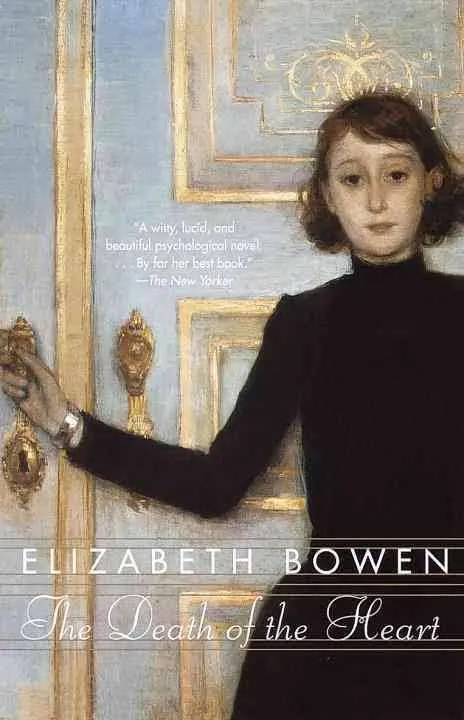
Death of the Heart by Elizabeth Bowen
For months I was fixated on the idea of reading this book. It took half a year to find a copy, but just the cover and title were enough to keep me going. “death of the heart! death of the heart! death of the heart!" I had scrawled again and again in my diary. As you might have guessed, I was dealing with a death of the heart. I can now inform you that the heart is dead.
Bowen’s Death of the Heart is a comic tragedy about lovelessness and the various cruelties humans inflict on one another without realising or caring. The plot is nothing particularly memorable, but the characters and dialogue are written with an intelligent viciousness. Reading this was difficult. One reflects on their own psychic dents and wonders of the slights and scrapes upon the other party. What wounds were brushed off and what turned into kelloid scars?
Yiyun Li (author of my favourite non-fic book of 2025) introduced me to Death of the Heart with this brutal question:
"Is the wish to escape suffering selfish? It is considered so with suicide. But even less extreme escapes leave wounds in others’ lives. The Death of the Heart is not only a study of selfishness, but also a study of the struggle to escape suffering. To whom the damage is done no one wants to ask. This is the question that unsettles me more: Is suffering selfish?"
In her poem Threnody, Dorothy Parker asked the same kind of thing:
Lilac blossoms, just as sweet.
Now my heart is shattered.
If I bowled it down the street,
Who's to say it mattered?
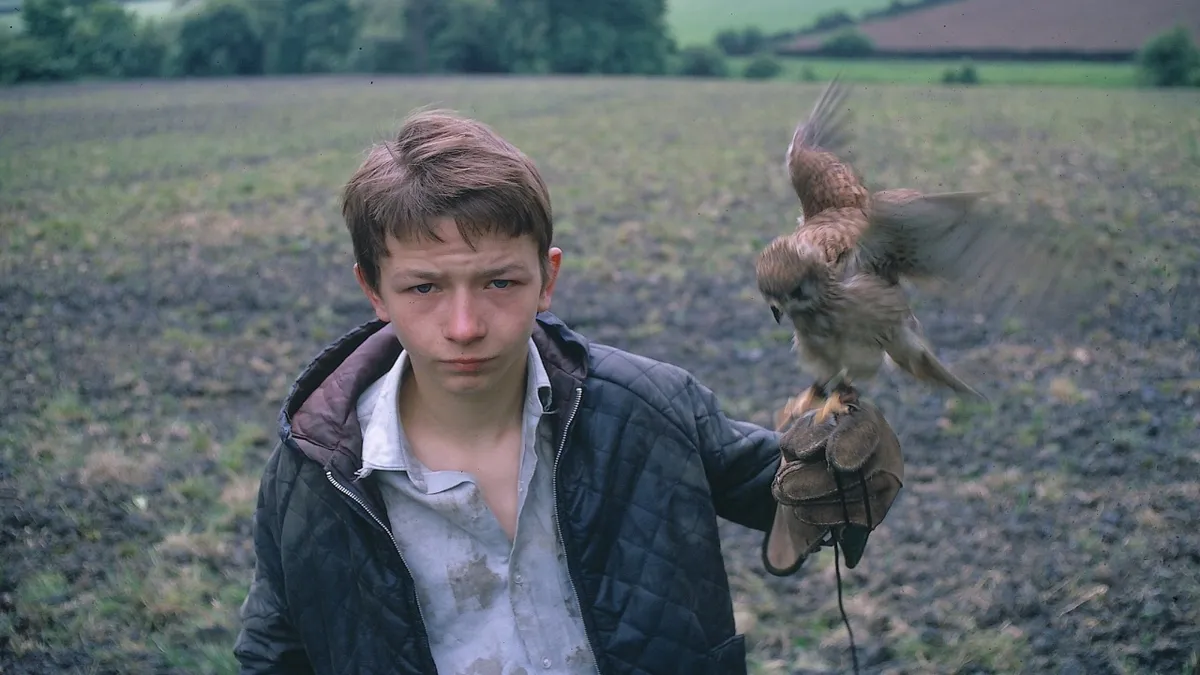
A Kestrel for a Knave by Barry Hines
To celebrate the Year of the Hawk, every month I have planned to read a book about taming a bird of prey.
February's book A Kestrel for a Knave, is one of the most depressing books I have ever read. Later adapted into an even better film by Ken Loach, Kes, the book is set in a dirt-poor English mining town in the 1960s and revolves around a hated rapscallion boy who is doomed to a hopeless future working in the coal mines. The only light in his life is his catching and training of a chickenhawk named Kes.
Most scenes in the book are lighthearted, a kind of picaresque, but the overall effect of its hopeless world is harrowing. By the end we have little confidence that the boy will survive into the future. It is the kind of text that calls for political reform by telling a story of utmost pessimism - the kind of pessimist realism that has become the dominant mood of British cinema (I can’t recall a brittish movie that doesn’t feel Thatcheresque).
As far as hawks go, the bird is featured less in the book than the film, which has such a beautiful pastoral aesthetic. I read this book after seeing the film and still enjoyed it a lot, though it made me weird at parties for a couple weeks.
The next book we will read for 2026 The Year of the Hawk will be The Hawk is Dying by Harry Crews.
Also, if you have goodreads, you can add me here.
#books #serious